What Are Drywall Screws?
Drywall screws are special screws designed to fix drywall sheets to studs or frames.
???? In simple words:
They are screws that hold wall boards firmly in place without damaging them.
Key Features of Drywall Screws
- Sharp pointed tip
- Deep threads for strong grip
- Bugle-shaped head for smooth finish
- Black coating for protection
- Easy to install
What Is a Bugle Head?
The bugle head is a unique feature of drywall screws.
???? It is slightly curved and shaped to:
- Sit neatly on the drywall surface
- Prevent tearing of the paper layer
- Give a smooth finish for painting
[caption id="" align="alignnone" width="1000"]
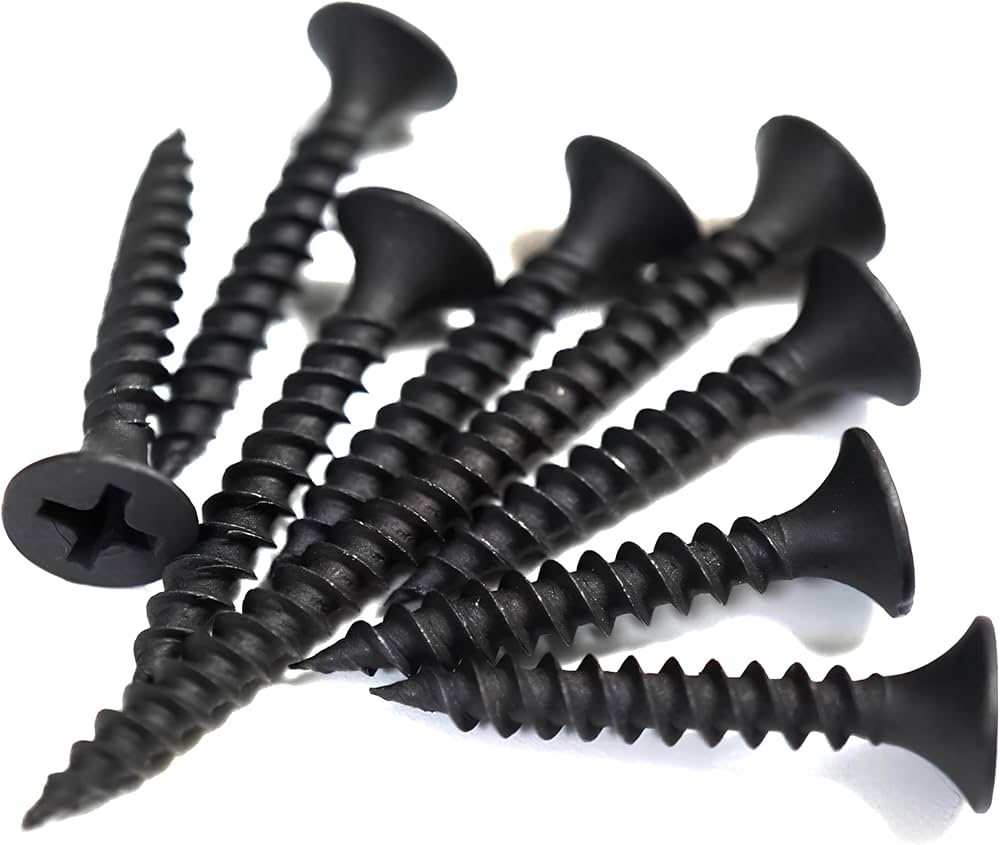 Drywall Screws[/caption]
How Do Drywall Screws Work?
Drywall screws are designed for quick and clean installation.
Here’s how they work:
- Place the drywall sheet on the frame
- Insert the screw into the surface
- Use a drill or screwdriver
- The screw goes through the drywall into the frame
- The head sits neatly without damaging the board
???? This creates a secure and smooth wall finish.
Types of Drywall Screws
Different types are used based on the frame material.
1. Coarse Thread Drywall Screws
- Used for wood studs
- Provide strong grip in wood
2. Fine Thread Drywall Screws
- Used for metal studs
- Easier to drive into metal
3. Self-Drilling Drywall Screws
- Have a drill tip
- Used for thicker metal frames
Materials Used
Drywall screws are made from strong materials for durability.
Common Materials:
- Carbon Steel
- Strong and widely used
- Hardened Steel
- Extra strength
- Prevents breaking
Coatings and Finishes
Drywall screws usually have coatings to prevent rust.
- Black phosphate coating
- Common finish
- Provides rust resistance
- Zinc coating
- Extra protection
Common Sizes
Drywall screws come in different sizes depending on the job.
Typical Sizes:
- Length: 25 mm, 38 mm, 50 mm
- Diameter: varies based on use
Choose size based on drywall thickness.
Where Are Drywall Screws Used?
Drywall screws are mainly used in interior construction.
1. Wall Installation
- Fixing drywall sheets to walls
2. Ceiling Work
- Installing ceiling boards
3. Interior Design
- Partition walls
- False ceilings
4. Renovation Projects
- Repairing damaged drywall
Advantages of Drywall Screws
- Easy and fast installation
- Strong grip in drywall and frames
- Smooth and clean finish
- Cost-effective
- Widely available
How to Choose the Right Drywall Screw
1. Check Frame Material
- Use coarse thread for wood
- Use fine thread for metal
2. Choose the Right Length
- Should go through drywall and into frame
3. Select Proper Type
- Use self-drilling screws for thicker metal
4. Consider Environment
- Use coated screws for better rust protection
Installation Tips
- Use a power drill with proper bit
- Do not over-tighten
- Keep screws evenly spaced
- Ensure the head sits just below the surface
- Avoid breaking the drywall paper
Maintenance Tips
- Check for loose screws
- Replace damaged screws
- Inspect for rust in humid areas
Common Mistakes to Avoid
- Over-tightening screws
- Using wrong thread type
- Placing screws too close to edges
- Using incorrect size
- Damaging the drywall surface
Conclusion
Drywall screws are a simple and essential part of modern construction. They help create strong, smooth, and clean walls and ceilings.
By choosing the right type and size and installing them properly, you can ensure a safe, neat, and long-lasting wall structure.